If you are seeking to receive permanent residency in Canada and want a Canada PR card, there are many direct and indirect pathways for you. From Express Entry to student visa, all the pathways offer a unique approach to receiving your PR card and becoming eligible for Canadian Citizenship!
In this blog, we’ll cover all the aspects of Canada PR and show you all the possible ways you can apply for permanent residency in Canada.

A permanent resident (PR) of Canada is a foreign national who has been granted the legal right to live, work, and study in Canada permanently, while still being a citizen of another country. PRs have access to social benefits but must meet residency obligations to maintain their status.
The Canadian PR card is an official document issued by the Canadian government and is a type of identification showing you hold Canada PR status. If you leave Canada, you will need to show your PR card when re-entering the country.


The Confirmation of Permanent Residence Canada (COPR) is a document issued to individuals who have recently become permanent residents of Canada and whose Canada PR application has been approved. These individuals must use this document until they receive their PR card.
While waiting to receive your PR card, you can use the COPR to access services and benefits you are eligible for (such as obtaining a SIN number).


What Canada Permanent Residents Cannot Do?
There are over 100 ways to obtain a Canada PR visa directly.
If you want to become a Canada permanent resident directly, you can pursue the following pathways:
The Express Entry system is the main pathway to Canadaian PR, with three programs:
1. Federal Skilled Worker Program (FSWP)
2. Federal Skilled Trades Program (FSTP)
3. Canadian Experience Class (CEC)
In this system, applicants are ranked by the Comprehensive Ranking System (CRS), and those with the highest scores receive an Invitation to Apply (ITA) for permanent residency. It has 2 types of draws to provide ITAs, including:
PNPs are also pathways that directly lead to Canada’s permanent residency. Canadian provinces nominate individuals through the Provincial Nominee Program (PNP). This program is to address provinces labor market needs and has been designed for individuals who are interested in immigrating to a specific province or territory. PNP pathways include two main categories:
Express Entry-Linked Programs
These programs are aligned with the federal Express Entry system. To apply:
1. Create an Express Entry profile and express your interest in a specific province.
2. If the province nominates you, you will receive an additional 600 CRS points, which virtually guarantees an Invitation to Apply (ITA) for permanent residency through Express Entry.
Standalone Provincial Programs
These programs operate independently of the Express Entry system. While their processing times are generally longer, you can apply directly through the portal of the province for a specific program.
If you meet the eligibility criteria and receive a provincial nomination, you can submit your permanent residency application to IRCC (Immigration, Refugees and Citizenship Canada).
Investment pathways offer a secure and low-risk way to obtain permanent residency in Canada, especially if chosen wisely. Here are the main options:
Provincial Entrepreneur Programs
Provincial entrepreneur programs allow individuals to start or invest in a business in a specific province and obtain permanent residency. Many of these programs offer a direct or expedited route to Canada permanent residence.
Startup Visa
The Startup Visa program offers permanent residency Canada to entrepreneurs with innovative business ideas. It is ideal for those seeking to expand their business globally in Canada’s supportive environment.
You should show that your business is original, able to compete on a global scale, and can create job opportunities for Canadians.
If your idea is accepted, you receive direct permanent residency in Canada.
The QSWP is designed for skilled workers intending to live and work in Quebec. Managed by the province, it has a points-based system (Arrima) similar to Express Entry.
Canada Permanent Residency Process Through QSWP:
The Rural and Northern Immigration Pilot (RCIP) supports skilled workers and entrepreneurs by offering them the opportunity to obtain permanent residency in Canada. The goal of this program is to address labor shortages and increase population growth in rural and less-populated areas.
Requirement:
To migrate through this pathway, you must have a job offer from one of the designated communities.
The Agri-Food Pilot addresses labor shortages in the agriculture and food industries. It offers a pathway to Canada PR for agricultural workers. If you want a permanent visa for Canada and have skills in this industry, this is the right pathway for you.
Requirement:
The AIP targets skilled workers and international graduates for provinces in Atlantic Canada, aiming to address labor shortages and support regional economic growth. If you want to obtain permanent residency in Canada, this pathway offers an easy way.
Benefits and Requirements:
The new Enhanced Caregiver Program allows you to receive Canada permanent residency from the moment you enter Canada, and you can also work in organizations that provide temporary or part-time caregiving services. This program is designed in response to Canada’s high demand for child and senior care services. To be eligible, you must have a related job offer.
Requirement:
French speakers have special opportunities to obtain permanent residency in Canada. Programs like the French-Speaking IMP (job offers without LMIA) or Quebec’s Skilled Worker Program focus on individuals with French language skills. Express Entry also awards additional points for French proficiency.
If your spouse or parents are permanent residents or citizens of Canada, they can sponsor you to move to Canada and apply for Canada permanent residency.
Requirements for Sponsorship:
The sponsor should meet the requirements below:
Many people choose indirect pathways to immigrate to Canada and obtain permanent residency. This means they enter Canada on a temporary visa and then fulfill the necessary conditions to eventually acquire Canadian permanent residency (PR). Below are some of the most common indirect pathways to obtaining PR in Canada.
You can enter Canada with temporary residency through a work permit and later convert it to permanent residency. Below are some common methods to obtain a Canadian work permit:
Purchasing a Business
One indirect method of obtaining permanent residency is by purchasing a business in Canada, such as a company or store. By receiving a work visa and developing the business, you can become eligible for permanent residency.
Job Offer and Work Permit
A job offer is a method that can, in certain circumstances, increase your Express Entry score and lead to permanent residency in Canada. With a job offer from a Canadian employer, working in Canada can ultimately lead to permanent residency through Express Entry or the Provincial Nominee Program (PNP).
Permanent Residency via C11 Visa
The C11 pathway is excellent for foreign entrepreneurs who wish to invest in or start a new business in Canada and receive permanent residency in Canada.
Permanent Residency via ICT Visa
The C12 or ICT (Intra-Company Transfer) visa allows individuals to transfer within their company or establish a branch of their business in Canada.
By getting accepted into a Canadian university or college and obtaining a Canadian study visa, you can initially enter Canada as a temporary resident. Then, through the Canadian Experience Class or the Federal Skilled Worker program (via Express Entry), you can apply for permanent residency in Canada.
Read more: Study in Canada
The process of converting a tourist visa to permanent residency is done in two stages: first, by changing the tourist visa to a study or work visa, and then applying for permanent residency.
How to convert a tourist visa to obtain a PR
Ready to start your PR application? Contact us today!

Individuals searching for Canada permanent residency requirements and eligibility must meet the criteria below:
Remember that among Canada permanent resident eligibility requirements, there’s a rule that you should be physically present inside Canada for at least 730 days within a five-year period.
If you have recently obtained permanent residency, your first PR card will be automatically mailed to your address in Canada. There is no need to apply for your first PR card.
The times are approximate and subject to change.
The journey to obtain permanent residency in Canada can be complex, and missing even one detail could delay your application. Don’t risk your future! Our expert consultants are here to ensure you meet all the requirements and avoid costly mistakes. Time is crucial, and the sooner you start, the better your chances of success.
Book your PR consultation session today
take the first step toward securing your Canadian future before it’s too late!


Faranak Panahi
★★★★★
I am extremely grateful to Ms. Maryam Zakeri and the team at Visa Mondial for their exceptional support throughout our immigration process. Thanks to their expertise and hard work, my husband, daughter, and I were able to successfully obtain our permanent residency directly from Iran. Ms. Zakeri’s professionalism, guidance, and dedication were truly remarkable. We sincerely appreciate all of her efforts in making this journey a smooth and successful one. Thank you so much!

Milad-taala
★★★★★
I wanted to take a moment to express my sincerest gratitude for all the support and guidance Visa Mondial provided in helping me obtain permanent residency. I am truly grateful for the efforts you put in throughout the entire process.
Your expertise and knowledge of the immigration process were invaluable, and you made the entire experience smooth and stress-free.
Your team especially Ms. Zakeri was always available to answer my questions and provide me with updates on the progress of my application. I appreciated the way you kept me informed every step of the way, giving me the confidence that everything was being taken care of professionally.

Danial Dehghan
★★★★★
I recently completed my PR process with the help of Visa Mondial and could not be happier with the great service offered by their team. The immigration specialists were extremely professional, patient, and supportive throughout the process. Regardless of how many questions I had—some of which were extremely basic—the crew always took the time to explain everything in detail, ensuring that I was fully aware and comfortable at all stages. I strongly suggest their services to anyone seeking reliable, experienced, and focused on customer immigration assistance.

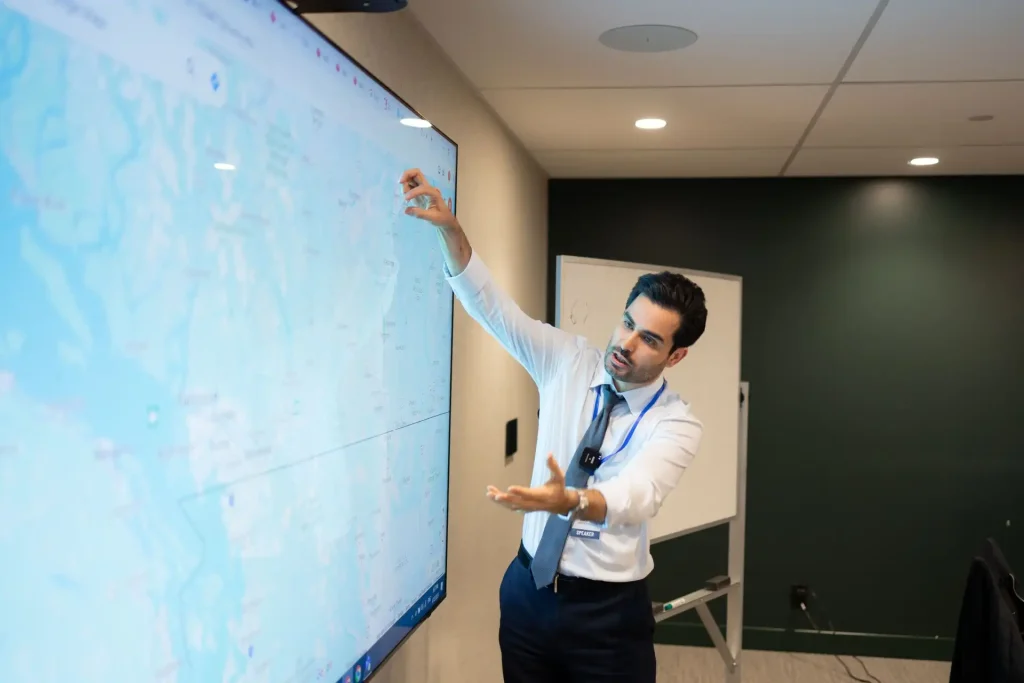
Canada PR Workshop 2024 - Downtown Vancouver
No. Canadian permanent residents are not considered citizens of Canada. Individuals with Canada PR can’t apply for a Canadian passport, while citizens can enjoy this benefit. On the other hand, PR holders must fulfill residency obligations to keep their status.
Express Entry is the fastest way to become a Canada permanent resident. Applicants who apply through Express Entry can receive permanent residence status in as little as six months. It is the fastest and most streamlined way to obtain Canada PR, with the entire process typically completed within six months.
Once you’ve been invited to apply (received an ITA) for a PR visa through Express Entry or PNP pathways, the average Canada permanent resident processing time would be between 5 to 8 months.
It depends on several factors such as the immigration program you’re applying through and your specific situation. It can take somewhere around 6 months to 2 years depending on the mentioned factors.
You should choose one of the direct pathways to directly get a Canada permanent resident visa, or use one of the indirect pathways and then turn your Temporary visa into Permanent residency through the designed programs.
You can use pathways that directly lead to PR, such as express entry or PNP pathways.
